
In 2026, many ACR authors make outstanding contributions to our journal. Their articles published with us have received very well feedback in the field and stimulate a lot of discussions and new insights among the peers.
Hereby, we would like to highlight some of our outstanding authors who have been making immense efforts in their research fields, with a brief interview of their unique perspective and insightful view as authors.
Outstanding Authors (2026)
Aymen Zgolli, Centre Hospitalier de Rambouillet, France
Olena Tsurkalenko, The Centre Hospitalier de Luxembourg, Luxembourg
Swetang J. Shah, Bay Area Community Health, USA
Amir Hossein Bassirani, Markusovszky Teaching Hospital, Hungary
Juan Carlos Pérez Olmedo, The University of Santiago de Compostela, Spain
Outstanding Author
Aymen Zgolli
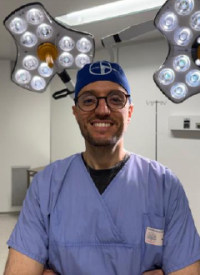
Dr. Aymen Zgolli is an orthopedic and trauma surgeon currently working at Centre Hospitalier de Rambouillet in France. As a surgeon in a public hospital, he still maintains an active trauma practice, including hip arthroplasty, alongside elective arthroscopic and arthroplasty surgery of the shoulder, elbow, and knee. He is currently working on developing a database platform within his hospital to increase the number of his scientific publications, particularly in the fields of shoulder, elbow, and knee surgery.
Dr. Zgolli believes that a good academic paper is clear, focused, and grounded in evidence. It presents a well-defined research question, situates it within existing literature, and uses appropriate methods to address it. The argument should be logical, coherent, and supported by credible data or analysis. Strong papers are transparent about limitations, avoid unnecessary jargon, and contribute something meaningful—whether new findings, a fresh perspective, or a synthesis of ideas. Good structure and precise writing make it accessible, while proper citation ensures intellectual honesty.
In Dr. Zgolli’s view, avoiding bias starts with awareness. It is essential to question assumptions, utilize diverse and credible sources, and fairly represent opposing viewpoints. Stick to evidence rather than opinion, and be careful with language that may imply judgment. Peer review and feedback can reveal blind spots. It also helps to separate data from interpretation and to clearly acknowledge uncertainty or limitations in the work.
“Our work matters, even when progress feels slow. Advancing knowledge often requires persistence, revision, and patience. Small contributions build the foundation for larger breakthroughs. Stay curious, remain open to critique, and remember that clarity and honesty in your writing are as valuable as originality. Keep going—your efforts are part of a much bigger intellectual journey,” says Dr. Zgolli.
(by Sasa Zhu, Brad Li)
Olena Tsurkalenko
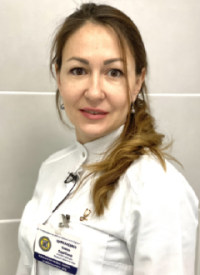
Dr. Olena Tsurkalenko is affiliated with clinical and academic research in neurology with a particular interest in dementia, headache medicine, and rare neurological presentations. Previously, she worked as an associate professor at a medical university in Ukraine, but due to the war, she was forced to leave the country and relocate to Luxembourg. She currently continues her clinical and research work in collaboration with the Centre Hospitalier de Luxembourg and the Luxembourg Institute of Health. Her recent work has focused on complex clinical case reports involving neurovascular pathology, including spinal arteriovenous fistulas, optic pathway gliomas, and vascular steal syndromes associated with NF1. She is particularly interested in multidisciplinary clinical research, scientific writing, and the academic presentation of rare neurological disorders.
Dr. Tsurkalenko believes that a strong academic paper rests on three pillars: clarity, rigor, and relevance.
- Clear research question: the paper must address a well-defined clinical or scientific problem
- Methodological rigor: appropriate design, reproducibility, and transparent reporting
- Logical structure: coherent flow from introduction to conclusion
- Evidence-based discussion: interpretation grounded in data, not speculation
- Original contribution: even in case reports, there should be a meaningful insight
In Dr. Tsurkalenko’s opinion, effective academic authors possess several interconnected skills, including critical thinking, scientific literacy, structured writing, attention to detail, resilience, and collaboration. They should be able to interpret data critically and question assumptions, while also understanding research methodology and existing literature. In addition, strong academic writing requires the ability to present complex ideas clearly and logically, with accuracy in terminology, references, and data reporting. Academic authors also need resilience to respond constructively to peer review and revisions, as well as collaboration skills, particularly in multidisciplinary clinical and research work. In her experience, an important skill is editing discipline—understanding what to remove is just as crucial as knowing what to include.
“One memorable aspect of writing this paper was how the case itself evolved during the writing process. Initially, it seemed like a relatively straightforward presentation, but as we reviewed imaging and clinical data more deeply, we realized we were dealing with a rare combination of conditions that required careful interpretation. At one point, we had to revisit our initial assumptions and restructure the discussion entirely. That moment was a reminder that academic writing is not just about reporting results; it is an extension of clinical reasoning. It also highlighted the importance of multidisciplinary collaboration, as insights from different specialties helped refine both the diagnosis and the narrative of the paper,” says Dr. Tsurkalenko.
(by Sasa Zhu, Brad Li)
Swetang J. Shah
Dr. Swetang J. Shah, MD, MPH, FAAP, is a pediatrician, healthcare leader, and advocate for equitable community-based care. As Clinical Director of Pediatrics at Bay Area Community Health in California, he works closely with underserved populations and focuses on building practical, sustainable solutions that improve pediatric outcomes in real-world clinical settings. His work spans trauma-informed care, adverse childhood experiences (ACEs) screening, point-of-care lead testing, and quality improvement initiatives within federally qualified health centers. He is particularly passionate about translating frontline clinical challenges into scalable systems-based improvements that support both patients and healthcare teams. In addition to patient care and leadership, he is involved in mentorship and interdisciplinary education. His academic interests center on preventive pediatrics, health equity, and implementation strategies that make evidence-based care more accessible in community practice.
ACR: What are the most commonly encountered difficulties in academic writing?
Dr. Shah: One of the greatest challenges in academic writing is transforming complex clinical experiences into a story that is both scientifically rigorous and engaging for readers. Many clinicians and researchers have meaningful insights to share, but organizing data, maintaining clarity, and communicating the broader significance of the work can be difficult. Another challenge is balancing depth with simplicity. Medical writing should be accurate and evidence-based, but it should also remain understandable and relatable to readers from different backgrounds and specialties. Time is another major factor, especially for physicians managing patient care, leadership responsibilities, and research simultaneously. I also think many authors struggle with self-editing. We become emotionally invested in our projects, so learning how to present findings objectively and concisely takes practice. Finally, the peer-review process can be demanding, but in my experience, constructive feedback often strengthens both the manuscript and the author as a scholar.
ACR: The burden of being a scientist/doctor is heavy. How do you allocate time to write papers?
Dr. Shah: Balancing clinical medicine, leadership, and academic writing is definitely challenging, especially in community healthcare, where the pace can be unpredictable. For me, writing does not usually happen in long, uninterrupted blocks of time. Instead, it happens gradually through consistency and intentional effort. Many of my research ideas originate directly from patient care or operational challenges I observe in daily practice. I often document thoughts, clinical observations, or workflow ideas in real time and revisit them later when developing a manuscript. That process helps keep the writing grounded in practical experience rather than purely theoretical discussion. I also believe collaboration is essential. Working with multidisciplinary colleagues not only improves the quality of the paper but also makes the process more manageable and intellectually rewarding. Most importantly, I remind myself that publishing is not only about academic achievement—it is about sharing lessons that may ultimately improve patient care, especially for vulnerable populations.
ACR: From an author’s perspective, do you think it is important to follow reporting guidelines during preparation of manuscripts?
Dr. Shah: Absolutely. Reporting guidelines are important because they strengthen the clarity, transparency, and credibility of scientific communication. In medicine, even valuable findings can lose impact if important details are missing or presented inconsistently. Guidelines such as STROBE, CONSORT, PRISMA, and CARE provide a structured framework that helps authors communicate their work more effectively. From an author’s perspective, these guidelines are not simply administrative checklists; they help ensure that readers can fully understand the methodology, clinical reasoning, limitations, and real-world relevance of the work. This becomes especially important in clinical research and case reports, where small details may significantly influence interpretation. For example, CARE guidelines encourage authors to present a complete clinical narrative, including timelines, diagnostic decision-making, and patient-centered perspectives. Ultimately, following reporting guidelines improves reproducibility, supports stronger peer review, and helps build trust within the scientific community.
(by Sasa Zhu, Brad Li)
Amir Hossein Bassirani

Amir Hossein Bassirani, MD, is a third-year thoracic surgery resident at Markusovszky Teaching Hospital in Szombathely, Hungary. He graduated from the Medical School of the University of Pécs and has dedicated his career to thoracic surgery. Alongside his clinical training, he actively pursues academic research with a particular interest in case reports and clinically relevant surgical studies. He believes that every challenging patient teaches us something valuable and that every uncommon case has the potential to improve future patient care when shared responsibly. His recent publication on MRSA-positive sternoclavicular septic arthritis strengthened his belief that carefully documented clinical experience can become meaningful scientific evidence. His long-term goal is to combine clinical practice with translational research, transforming everyday surgical experience into knowledge that helps surgeons make better decisions, advances thoracic surgery, and ultimately improves patients' lives.
Dr. Bassirani highlights that academic writing is the foundation of scientific progress. Since the beginning of civilization, writing has allowed knowledge to be preserved, refined, and passed from one generation to the next. Medicine is no exception. Every publication contributes another piece of evidence that helps physicians make better clinical decisions. Surgeons have demanding schedules, but documenting important findings and unusual cases is essential for their responsibility to the medical community. A single well-written case report or research article may help another physician facing a similar situation years later. He believes academic writing is not only about publishing results; it is about sharing experience, encouraging critical thinking, and continuously improving patient care through collaboration and evidence-based medicine.
To give new insights into writing, Dr. Bassirani makes continuous learning part of his daily routine. Despite the demanding workload of residency, he regularly reads the latest thoracic surgery journals, clinical guidelines, and recently published case reports. He also compares new evidence with his own clinical experience and discusses challenging cases with senior colleagues from different specialties. Rather than simply summarizing existing literature, he tries to identify practical lessons from real patients that may help other clinicians facing similar situations. He believes meaningful research comes from combining current scientific evidence with honest clinical observation. This approach allows his writing to remain evidence-based, clinically relevant, and focused on questions that genuinely matter in everyday surgical practice.
Dr. Bassirani’s greatest motivation in writing is the patient. Throughout his training, he has seen how published research influences clinical decisions and directly improves patient outcomes. His experience publishing a rare thoracic surgery case demonstrated that even a single patient's story can serve as a valuable learning opportunity for physicians worldwide. Knowing that a paper he writes today may help another surgeon manage a difficult case in the future makes every hour spent on research worthwhile. Academic writing also pushes him to question his practice, continue learning, and become a better surgeon. If his work can improve even one patient's quality of life, reduce unnecessary suffering, or assist one colleague in making a better decision, he considers that research truly successful.
(by Sasa Zhu, Brad Li)
Juan Carlos Pérez Olmedo

Dr. Juan Carlos Pérez Olmedo is a Spanish physician with more than 30 years of experience in Biological and Integrative Medicine. Trained in Family Medicine at the University of Santiago de Compostela, he is the founder of IPO3 Pérez Olmedo Academy and the creator of the world’s first Intraperitoneal Ozone Therapy (IPO3) Unit. He also serves as Co-Director of the Chair of Ozone Therapy in Cancer at the Catholic University of Murcia (UCAM), together with Dr. Juan José Martínez Rodríguez, and directs Pérez Olmedo Academy. Over the past 18 years, he has systematically developed the IPO3 technique, treating more than 400 patients. He has published several clinical reports, including a recent paper in AME Case Reports, and continues to promote new research aimed at strengthening the scientific evidence supporting IPO3 as a complementary strategy within multimodal cancer care.
ACR: Why is academic writing so important?
Dr. Olmedo: Over the course of numerous years of clinical practice, I have concluded that clinical experience attains its true value only when it is shared with the medical community. In my view, academic writing constitutes the principal means by which clinical experience is transformed into knowledge that can be critically evaluated, analyzed, and further developed by other professionals. Over the past 18 years, we have systematically developed Intraperitoneal Ozone Therapy (IPO3) and applied it in the treatment of more than 400 patients. This substantial body of experience requires meticulous documentation and communication with the highest scientific rigor. At present, we are preparing additional clinical reports, since publication not only generates evidence but also promotes further research and scientific dialogue among peers. Our objective is not to persuade, but to provide evidence that enables the scientific community to objectively assess the potential role of IPO3 as a complementary strategy in oncology. The advancement of medicine is founded upon the responsible dissemination of knowledge; in the constantly evolving field of integrative oncology, rigorous documentation facilitates the bridge between clinical observation and evidence-based practice, to the benefit of patients and future researchers.
ACR: What qualities should an author possess?Dr. Olmedo: I consider that a competent author must be characterized by profound intellectual curiosity, firm ethical commitment, and the capacity to express ideas with clarity and precision. Nevertheless, the most essential quality is persistence. Scientific research rarely yields immediate answers; it demands patience, consistency, and the determination to pursue a project over many years, frequently in contexts where initial evidence remains limited. In innovative complementary approaches such as Intraperitoneal Ozone Therapy (IPO3), the documentation of clinical experience with methodological rigor and transparency is as relevant as direct patient care itself. Over time, I have observed that resilience and the ability to convert clinical experience into scientific knowledge are indispensable. Only through these qualities is it possible to make meaningful contributions to research, strengthen the existing evidence base, and expand complementary therapeutic options for patients.
ACR: How do you manage to find time for writing?
Dr. Olmedo: Reconciling clinical practice with research activity constitutes a considerable challenge. This endeavor requires discipline, organization, and, fundamentally, the existence of a team that shares a common vision and commitment. In our case, the development of Intraperitoneal Ozone Therapy (IPO3) has been possible solely through the dedication of professionals committed to investigation and the dissemination of their clinical experience. I deliberately reserve specific time for the writing and revision of manuscripts, as I regard this activity as an inherent part of my responsibility as a physician. After 18 years of continuous work, I consider that the transformation of clinical experience into scientific evidence holds an importance comparable to direct clinical practice. Each publication represents an opportunity to contribute to the body of knowledge, stimulate new lines of research, and consolidate the evidence supporting IPO3 as a complementary strategy in oncology. This dual commitment ultimately contributes to the advancement of safer and more integrated therapeutic options within multimodal cancer treatment.
(by Sasa Zhu, Brad Li)